
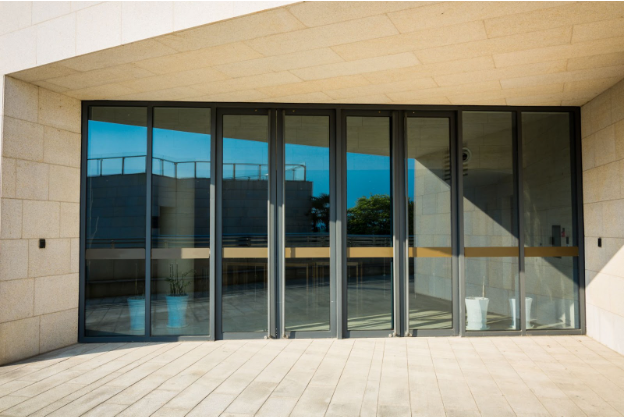

Modern homes have used sliding doors. They introduce natural light, space, and establish a seamless transition between the outdoor and the indoor space. Nonetheless, the installation of sliding glass doors will not be completed by simply selecting a fancy design.
The factors that should be considered by homeowners are structure, materials, safety, and long-term performance. Leaks of air or trouble operating, resulting in costly repairs later in the future, can be caused by poor planning. It is wiser to know the most critical factors during installation to prevent the typical mistakes.
Choosing the Right Door Type
Sliding doors are not all identical. Others can be used in patios, whereas others can be used in balconies or indoors. Smaller openings are usually fitted with two panels. Wide areas are more suitable for multi-panel doors.
Certain designs permit panels to be stacked or installed in walls. The choice of the type depends on the space available and the frequency of use of the door.
Measuring the Opening
Precise measurements are essential during sliding glass doors installation. Even minor mistakes can lead to problems with installations. The height, the width, and the wall alignment are carefully measured by the professionals. Floor level and ceiling structure are also checked.
The improper measurements can lead to gaps, bad sealing, or the inability to slide doors. Correct sizing guarantees a smooth operation and a long life.
Frame Materials To Consider
Frame material influences performance, insulation, and maintenance requirements. The available and common materials are aluminum, vinyl, wood, and fiberglass.
- The aluminum frames are durable and modern.
- Vinyl is good for insulation and low maintenance.
- Wood is a good-looking material, but it needs maintenance.
The selection of the material is based on the climate, budget, and preference of the design.
Glass Options and Energy Efficiency
Comfort is largely a factor of the quality of the glass. Due to the bad choice of glass, the glass may leak or overheat. Glass with two or three layers is better at insulating. The use of energy-efficient options makes the interior temperature constant and minimizes the use of heating or cooling systems.
Weatherproofing and Sealing
Appropriate sealing prevents leakage of water and draft in the house. Seals of good quality and weatherstripping are needed in the process. Drainage systems should also be designed. This will keep out rainwater in the house.
Weatherproofing helps in enhancing comfort and safeguarding flooring and internal finishings.
Security and Safety Features
The safety of large glass panels is a big requirement. Safety glass that is tempered or laminated diminishes the chances of injury in case the glass breaks. Multi-point locking systems are also found on modern sliding doors. Other house owners install security bars or smart locks to provide added protection. Safety features do not interfere with the design but give one peace of mind.
Professional installers make sure the alignment, sealing, and support are done properly. They also deal with adjustments that are necessary in order to move smoothly.