
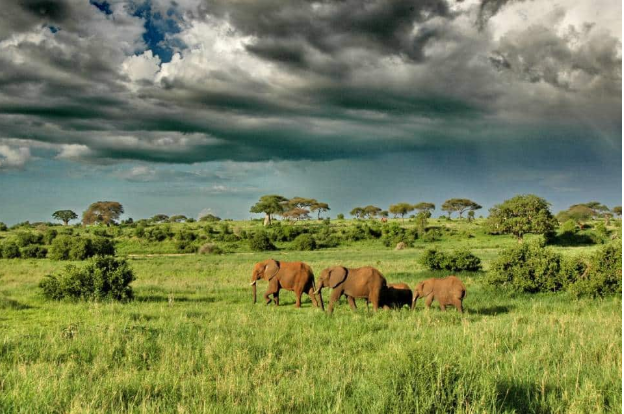
Every year, in one of the planet’s most extraordinary natural events, well over a million wildebeest, accompanied by hundreds of thousands of zebra and gazelle, move in a vast circular journey across the Serengeti ecosystem. A Tanzania migration safari puts you in the middle of this spectacle: the thunder of hooves, the drama of river crossings, and the predators that follow the herds. Because the migration is a continuous movement rather than a single event, timing, location, and planning make all the difference. This guide explains how the migration works, what happens in each season, where to stay, and how to plan a trip that puts you in the right place at the right time.
What Is the Great Migration?
The Great Migration is the year-round, clockwise movement of herds between the Serengeti in Tanzania and the Maasai Mara in Kenya, driven by the search for fresh grass and water. Wildebeest are the main players, joined by zebra, Thomson’s gazelle, and eland. The herds are guided by rainfall patterns rather than the calendar, which means the exact timing varies from year to year.
It is important to understand that the migration has no start or finish line. The herds are always moving, and each phase offers a different kind of wildlife experience. Most of the journey takes place inside Tanzania, which is why a Tanzania migration safari can deliver spectacular viewing in many months of the year, not only during the famous river crossings.
The Migration Calendar: What Happens and When
Although nature does not run on a fixed schedule, a general seasonal pattern holds. Treat the following as a guide rather than a guarantee.
January to March: Calving Season in the Southern Serengeti
The herds gather on the short-grass plains of the southern Serengeti and the Ndutu area, where fresh grazing is abundant. This is the calving season, and in a short window thousands of calves are born each day. The sheer density of newborns attracts lions, cheetahs, hyenas, and other predators, creating intense and constant action. For travellers who enjoy wildlife drama and photography, it is a spectacular period, and the green landscapes add to the appeal.
April to May: Herds on the Move
As the long rains arrive and the plains dry out, the herds begin moving north and west through the central Serengeti. The landscape is lush, the roads are quiet, and lodge rates are often lower. Some camps close during the heaviest rains, so check availability. This period suits travellers who prefer solitude and good value over guaranteed river crossings.
June to July: The Western Corridor and the Grumeti River
By mid-year, many herds approach the Western Corridor, where they face the crocodile-filled Grumeti River. Crossings here can be dramatic, though they are less predictable than those further north. The western Serengeti also offers excellent general game viewing, with dense riverine woodland and varied habitats.
August to October: The Northern Serengeti and the Mara River
From around July or August through October, herds typically reach the northern Serengeti and attempt the famous Mara River crossings. These are among the most photographed moments in wildlife viewing, with thousands of animals plunging into the water while crocodiles lie in wait. This is peak season, so expect more visitors and higher prices, and book well in advance.
November to December: The Journey South
With the short rains, the herds begin heading back south through the eastern Serengeti toward the plains where calving will start again. The scenery turns green and the crowds thin, making it a rewarding time for flexible travellers.
Why Choose Tanzania for a Migration Safari?
Tanzania hosts the larger share of the migration’s yearly cycle, including the calving season, which takes place on its southern plains. The Serengeti itself is vast and varied, offering open grasslands, kopjes, riverine forest, and woodland, so you can combine migration viewing with year-round resident wildlife such as lions, leopards, elephants, and giraffes.
Tanzania also offers a wide range of accommodation styles and safari formats, from budget lodges to luxurious tented camps, plus the flexibility to combine the Serengeti with the Ngorongoro Crater, Tarangire, and Lake Manyara. The variety makes it easier to build a trip around your interests and budget.
Choosing the Right Season for Your Interests
Different travellers want different things, so match your priorities to the season.
- For calving and predator action: Choose January to March in the southern Serengeti and Ndutu region.
- For dramatic river crossings: Choose late July to October in the northern Serengeti.
- For fewer crowds and better value: Choose April, May, or November.
- For all-round wildlife and comfortable conditions: Choose June to October, accepting higher demand.
Because migration movements depend on rainfall, the best operators track herd positions closely and adjust your itinerary where possible. Ask any provider how they stay informed about current conditions.
Where to Stay on a Migration Safari
Location is everything. Staying close to where the herds are, or are expected to be, reduces driving time and maximises your hours with the animals.
Permanent camps and lodges provide reliable comfort and a fixed base inside a particular area of the park. Seasonal or mobile camps move with the herds, offering proximity to the action at certain times of year. Smaller tented camps typically create an intimate atmosphere, with the sounds of the night close at hand and quieter surroundings than large lodges.
If you stay in the Serengeti’s western or north-western areas, the Ikoma region offers a peaceful setting away from the busiest hubs. At Serengeti House of Nature, guests can enjoy tented suites that blend with the environment, with free Wi-Fi, included breakfast, and 24/7 reservations support, while remaining immersed in the landscape.
For a thorough migration trip, many travellers split their stay between two areas, for example the southern plains and the north, to follow the herds across different phases.
Types of Tanzania Migration Safari Packages
Operators offer migration itineraries in several formats.
- Short migration safaris (5 to 6 days): Suitable for travellers with limited time, usually focused on one or two areas. A 5-day itinerary combining Lake Ndutu and Ngorongoro Crater, for example, targets the calving season.
- Mid-length safaris (7 to 9 days): A balanced option that allows more time in the Serengeti and a chance to explore multiple regions.
- Extended safaris (10 days or more): Ideal for photographers and enthusiasts who want to follow the herds across different regions.
- Fly-in safaris: Light aircraft transfers between airstrips reduce long drives and save time, though they increase costs.
- Tailor-made safaris: Fully customised trips built around your dates, budget, and interests.
When comparing packages, check what is included, such as accommodation, meals, park fees, vehicle type, and guide services.
Tips for the Best Migration Experience
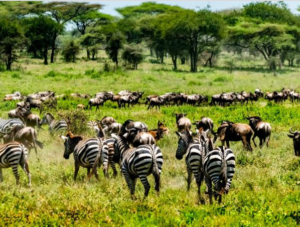
- Hire an experienced driver-guide. Their knowledge of herd movements and animal behaviour can transform your safari.
- Plan for at least four to five nights in the Serengeti. The herds are unpredictable, and extra time increases your chances of great sightings.
- Stay flexible. Move your plans if the herds shift, and avoid rigid expectations about specific crossings.
- Start early. Dawn and dusk offer the best light and the most predator activity.
- Pack carefully. Bring neutral clothing, layers, binoculars, a long-lens camera, sunscreen, and a hat.
- Book early for peak months. Camps in prime migration areas fill quickly between July and October.
- Respect wildlife and park rules. Keep a respectful distance and follow your guide’s instructions.
A Realistic Note About River Crossings
River crossings are thrilling but unpredictable. Herds may gather at the bank for hours or days before crossing, and sometimes they turn back. Treat a crossing as a bonus rather than the only goal. The migration offers countless other memorable moments, from newborn calves taking their first steps to lions stalking across open plains, and a good itinerary embraces all of them.
Conclusion
A Tanzania migration safari is more than a single event; it is a living, moving story that unfolds across the Serengeti throughout the year. By understanding the seasonal pattern, choosing the right region for your interests, staying in well-placed accommodation, and working with a knowledgeable operator, you can position yourself at the heart of the action. Whether you come for the calving season, the river crossings, or the quiet beauty of the green months, the migration delivers wildlife viewing on a scale few places on Earth can match. Plan carefully, stay flexible, and let the herds lead the way.
Key Takeaways
- The Great Migration is a continuous, year-round movement of wildebeest, zebra, and gazelle across the Serengeti ecosystem.
- January to March is calving season in the southern Serengeti, with abundant predator activity.
- Late July to October is the best period for Mara River crossings in the northern Serengeti.
- Herd movements depend on rainfall, so exact timing varies and flexibility is important.
- Staying close to the herds in well-located tented camps or lodges saves time and improves viewing.
- Allow at least four to five nights in the Serengeti, and book peak months well in advance.
- Choose an experienced operator who tracks herd movements closely.
Frequently Asked Questions
When is the best time for a Tanzania migration safari?
It depends on what you want to see. January to March is best for calving, while late July to October is best for river crossings. April, May, and November offer quieter conditions and lower rates.
Where does the migration take place in Tanzania?
The herds move through the Serengeti ecosystem, including the southern plains and Ndutu area, the central and western Serengeti, and the northern Serengeti near the Mara River.
Can I see the migration all year?
Yes, in some form. The herds are always somewhere in the ecosystem, so every month offers migration-related wildlife viewing, though the type of action changes with the season.
Are river crossings guaranteed?
No. Crossings depend on herd behaviour, water levels, and weather. Plan enough time in the north and treat a crossing as a highlight rather than a promise.
How many days do I need for a migration safari?
Five to seven days works for many travellers, but longer stays of eight to ten days or more give you a better chance of catching key moments and exploring several areas.
Is a migration safari suitable for families?
Yes, many families enjoy it, particularly during the calving season. Choose child-friendly accommodation, check age requirements, and plan shorter driving days for younger children.
Do I need to book far in advance?
For July to October, book several months ahead to secure preferred camps. Other seasons often allow shorter lead times.
Can I combine a migration safari with other activities?
Absolutely. Many travellers add Ngorongoro Crater, Tarangire, a Kilimanjaro climb, or a Zanzibar beach stay to create a complete Tanzania trip.

