
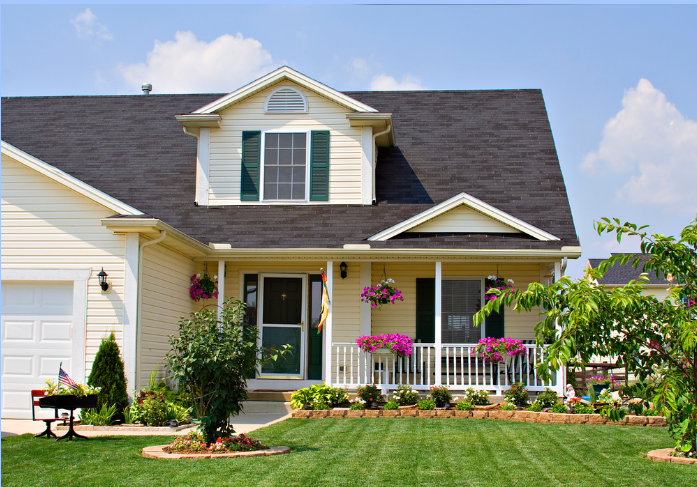
Model homes exist to make you emotional. Every lamp, every throw blanket, every bowl of fake lemons on the counter is placed there on purpose. The whole thing is a stage set. A convincing one. Learning to look past it is the difference between buying a house and buying a fantasy.
The Furniture Is Lying to You
Nobody mentions this on the tour, but model home furniture is frequently undersized. That bed in the master? Probably not a true king. The dining table that seems to fit the room so well might be narrower than anything you would actually purchase. Bring a tape measure and check the rooms yourself. Then go home and compare those numbers to your real furniture. The gap can be surprising.
Upgrades vs. Standard Finishes
The impressive kitchen likely costs extra. Quartz countertop, designer backsplash, matte black fixtures. All upgrades. What ships standard is usually several notches below what the model shows. Ask for a breakdown of included and extra costs. Read it before you get attached. Not after.
Lighting Tricks
Walk into any model home and every single light is blazing. Blinds wide open. It feels airy and warm and spacious. But that mood is manufactured. Count the actual windows in each room. Note which direction they face. A west-facing bedroom’s noon light differs from that under recessed track lighting. A second visit at another time is recommended.
Check the Bones
Ignore the accent wall for a minute. Get close to the baseboards. Open the cabinets and feel how the hinges respond. Slide every drawer. Do they glide or do they stick halfway? Close the interior doors and see if they latch without force. Look at where the ceiling meets the wall. Sloppy joints and uneven seams show up in those spots first. Small things, but they add up to a very clear picture of build quality.
Sound and Privacy
Stand in the master bedroom and clap. Loud. You’ll know instantly whether the walls absorb sound or reflect it. If a second floor exists, have someone pace on it while you listen from downstairs. Thin subflooring and hollow-core doors allow every footstep and voice to be heard. Testing for just two minutes can expose a problem that you could live with for many years.
The Neighborhood Around the Model
The model sits in a tidy, landscaped corner of the development. The rest of it might be mud and machinery. That is normal for a community still under construction, but you should ask what the timeline looks like. When do the surrounding lots get built out? What goes in across the street? StoneManor Homes handles these conversations well and lays out clear community plans for their new construction homes in Houston, TX. This provides purchasers with an accurate understanding of the neighborhood’s future development. Many people underestimate the importance of that kind of transparency at first.
Ask About What You Cannot See
Insulation type. Pipe material. Foundation thickness. HVAC efficiency. None of it shows up on the tour and none of it makes for exciting conversation. But these are the systems running behind every wall that determine your comfort and your bills for the next ten, twenty, thirty years. Ask pointed questions. A builder who gets excited about answering them is a builder who put real thought into the construction.
Conclusion
A model home is essentially a staged sales tactic that looks like a place to live. Go in ready to really inspect everything, even the less obvious parts. The staging fades the moment you move in. What stays is the structure underneath.

