
Introduction
Industrial ventilation and airflow management are essential for maintaining safe, efficient, and productive working environments. Manufacturing plants, power stations, chemical processing facilities, commercial buildings, and other industrial establishments depend on reliable equipment to regulate air movement, control pressure, and manage exhaust systems. Industrial dampers play an important role in these operations by controlling, directing, or restricting airflow within ductwork and ventilation networks. Selecting a dependable Industrial Damper Supplier helps businesses obtain suitable products that meet their operational requirements, installation conditions, and performance expectations. A reliable supplier can provide different damper designs, material options, technical specifications, and customization possibilities for diverse applications. By understanding product quality, engineering standards, manufacturing capabilities, and after-sales support, companies can make informed purchasing decisions that support long-term efficiency and equipment reliability.
Understanding Industrial Dampers and Their Purpose
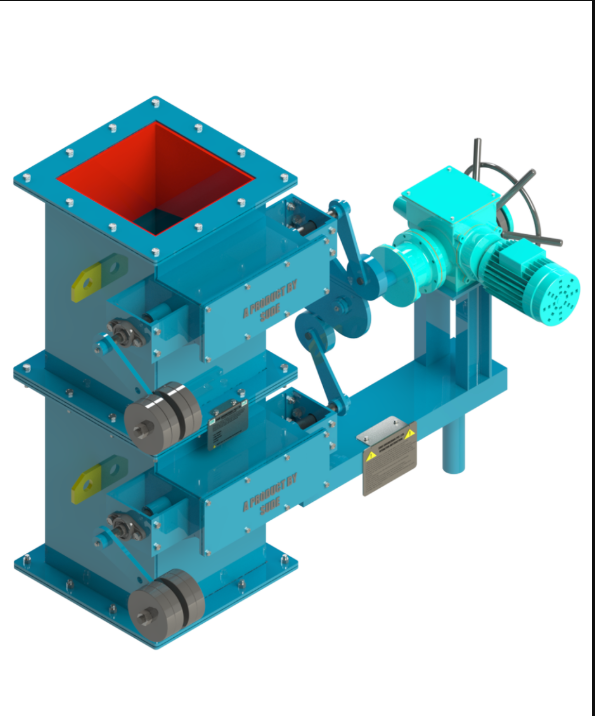
Industrial dampers are mechanical devices installed in air ducts, ventilation systems, exhaust networks, and certain process applications to regulate the movement of gases or air. Depending on their design, they can open, close, adjust, or redirect airflow to achieve the required operating conditions. Some dampers are used primarily for isolation, while others regulate flow or prevent unwanted movement through a duct system. Their construction may include blades, frames, shafts, bearings, seals, actuators, and other components designed for specific operating environments.
Different industries require different damper configurations because operating temperatures, pressure levels, air quality, and space limitations vary significantly. A manufacturing facility may need dampers for dust extraction, while a power plant may require heavy-duty equipment capable of handling hot flue gases. Understanding these differences allows buyers to select equipment that performs reliably under actual operating conditions. An experienced Industrial Damper Supplier can help identify suitable designs by considering airflow requirements, system pressure, temperature limits, material compatibility, and maintenance expectations.
Importance of Choosing a Reliable Industrial Damper Supplier
Choosing the right supplier is an important part of industrial procurement because damper performance directly affects ventilation efficiency, system reliability, and maintenance requirements. Products manufactured with unsuitable materials or inaccurate dimensions may create leakage, operational difficulties, or premature component failure. These issues can increase maintenance costs and interrupt production activities. A professional supplier focuses on appropriate product selection, consistent manufacturing quality, and clear communication throughout the purchasing process.
A dependable supplier should understand industrial applications and provide information about available designs, material grades, connection arrangements, and actuation systems. Technical support is especially valuable when a project requires special dimensions, high-temperature resistance, corrosion protection, or integration with an existing control system. Buyers should also evaluate the supplier’s ability to meet delivery schedules and provide documentation. Working with an established Industrial Damper Supplier can simplify procurement, improve coordination between project teams, and reduce the likelihood of selecting equipment that does not match the intended application.
Different Types of Industrial Dampers
Industrial dampers are available in several configurations, each developed to meet particular airflow control requirements. Butterfly dampers use a rotating disc or blade to regulate flow and are commonly considered for applications where a compact arrangement is beneficial. Louver dampers use multiple blades that rotate together or independently, depending on the design, to manage airflow through an opening. Guillotine dampers use a sliding plate and are often selected when positive isolation is required in suitable industrial systems.
Other common options include control dampers, isolation dampers, non-return dampers, and specialized high-temperature designs. Control dampers are used to adjust airflow according to process needs, whereas isolation dampers help separate sections of a system during maintenance or operational changes. Non-return designs restrict reverse flow in suitable applications. The correct choice depends on the required leakage performance, pressure conditions, operating temperature, available space, and frequency of operation. Buyers should explain these requirements clearly so the supplier can recommend a configuration appropriate for the project.
Materials and Manufacturing Quality
Material selection is one of the most important considerations when purchasing industrial dampers. Carbon steel is commonly used in many general industrial applications because it offers strength and practical fabrication options. Stainless steel may be suitable where corrosion resistance, cleanliness, or exposure to particular chemicals is a concern. Other alloys and protective coatings may be considered when operating conditions require additional resistance to heat, oxidation, or aggressive environments.
Manufacturing quality also affects the service life and reliability of a damper. Frame alignment, blade geometry, shaft strength, welding quality, bearing arrangements, and sealing surfaces should be appropriate for the intended duty. Inadequate fabrication can cause sticking, excessive leakage, uneven movement, or difficulty during installation. A capable supplier should be able to explain its inspection procedures and the material specifications relevant to the product. Before placing an order, buyers should confirm that the proposed construction matches the project’s temperature, pressure, corrosion, and mechanical requirements rather than relying on appearance or price alone.
Applications Across Different Industries
Industrial dampers support operations across a broad range of sectors. In cement plants, they may be used in kiln exhaust systems, dust collection networks, and ventilation arrangements. Steel manufacturing facilities use dampers to regulate air and gas movement in furnaces, extraction systems, and other process equipment. Power generation facilities may require specialized dampers for combustion air, flue gas handling, and isolation within selected duct systems.
Chemical and petrochemical facilities can use dampers in ventilation and process exhaust applications, provided the selected materials are compatible with the gases and environmental conditions involved. Food processing plants and pharmaceutical facilities may need designs that meet specific hygiene, cleanliness, or corrosion-control requirements. Commercial and institutional buildings also use dampers for heating, ventilation, and air conditioning systems. Because these applications have different technical demands, an Industrial Damper Supplier should evaluate the operating environment before recommending a product. This application-focused approach helps buyers avoid unnecessary costs while selecting equipment suitable for their intended service.
Customization and Project-Specific Solutions
Standard dampers may satisfy many common requirements, but certain industrial projects need customized products. Existing ductwork may have unusual dimensions, limited installation space, nonstandard flange arrangements, or specific actuator mounting requirements. Some projects also involve elevated temperatures, abrasive particles, corrosive gases, or demanding pressure conditions that require careful engineering and material selection.
Customization can involve frame dimensions, blade configuration, shaft design, sealing arrangements, coatings, drive mechanisms, and control interfaces. Before requesting a quotation, buyers should provide drawings, equipment specifications, duct dimensions, operating temperatures, pressure data, and relevant gas composition details where available. Information about the required operating cycle and expected leakage performance is also useful. A technically capable supplier can review these details and identify practical options. Clear specifications reduce misunderstandings, support accurate manufacturing, and make it easier to coordinate damper installation with other equipment and project activities.
Key Factors to Consider Before Purchasing
Selecting industrial dampers involves more than comparing quotations. Buyers should first define the required function, such as airflow regulation, emergency isolation, routine shutoff, or reverse-flow prevention. They should then evaluate the operating conditions, including temperature, pressure, flow rate, corrosion exposure, and the presence of dust or abrasive particles. These details help establish which construction materials, sealing arrangements, and mechanical designs are appropriate.
The supplier’s manufacturing experience, quality-control practices, technical assistance, and ability to provide required documentation should also be assessed. Buyers may request dimensional drawings, material details, inspection records, and operating information where relevant to the project. Delivery capability matters when equipment is needed for a shutdown, plant expansion, or time-sensitive installation. Comparing the total expected ownership cost is often more useful than choosing the lowest initial quotation. A properly selected damper may offer better service life and lower maintenance requirements when its design is matched to the application.
Energy Efficiency and Operational Performance
Efficient airflow control can contribute to improved industrial system performance. Dampers that are correctly sized and selected help operators regulate air or gas movement according to process requirements. In ventilation systems, appropriate control can prevent unnecessary airflow and support more effective operation of fans and associated equipment. However, a damper must be designed and operated for its intended purpose because excessive pressure loss, unsuitable positioning, or poor sealing can reduce overall efficiency.
Automated dampers may use electric, pneumatic, or hydraulic actuators, depending on the application and available control infrastructure. These systems can respond to control signals and help operators adjust airflow without relying entirely on manual intervention. Position feedback and suitable control logic can improve monitoring where required. Energy savings depend on the overall system design, fan characteristics, operating schedule, and control strategy rather than on the damper alone. Buyers should therefore evaluate the damper as part of the complete ventilation or process system to achieve meaningful operational improvements.
Installation, Maintenance, and Safety
Proper installation is essential for reliable damper operation. Before installation, project teams should verify dimensions, flange alignment, flow direction where applicable, access requirements, and actuator clearance. The damper should be supported according to its design, and the ductwork should not impose unintended loads on the frame or moving components. Electrical and pneumatic connections must be completed according to the manufacturer’s instructions and relevant safety procedures.
Routine maintenance helps identify wear, corrosion, loose connections, damaged seals, and actuator problems before they cause significant disruption. Inspection frequency should be based on operating conditions, manufacturer recommendations, and the importance of the equipment within the process. In systems handling hazardous gases or high temperatures, isolation and maintenance must follow established site procedures. Personnel should never inspect or service equipment without appropriate shutdown, isolation, and verification measures. A supplier that provides clear installation guidance, operating instructions, and access to replacement components can help organizations maintain equipment performance throughout its service life.
Benefits of Building a Long-Term Supplier Relationship
A consistent supplier relationship can simplify future purchasing and improve project coordination. Once a supplier understands a facility’s technical standards, preferred materials, documentation requirements, and maintenance practices, repeat orders may become easier to manage. Standardized specifications can also reduce confusion when replacement dampers are needed for existing installations.
Long-term cooperation may provide advantages such as better technical communication, more consistent product configurations, and improved planning for spare parts. It can also help procurement teams identify suitable alternatives when a particular component becomes difficult to source. Nevertheless, buyers should periodically review supplier performance, including product quality, delivery reliability, responsiveness, and documentation accuracy. Maintaining clear technical records and evaluating actual equipment performance will support objective purchasing decisions. A strong relationship should be based on dependable service and demonstrated product suitability rather than promises alone.
Common Mistakes to Avoid When Selecting Industrial Dampers
One common mistake is choosing a damper solely on the basis of price. A low-cost product may not provide the required sealing performance, material compatibility, or operating life. Another mistake is overlooking temperature and pressure conditions, particularly in applications involving hot exhaust gases or demanding industrial processes. Incorrect sizing can also create installation problems or prevent the damper from delivering the intended airflow performance.
Buyers should avoid relying on incomplete product descriptions or verbal assurances when technical documentation is necessary. It is important to clarify whether the damper is intended for control, isolation, or another specific duty. Actuator requirements, maintenance access, spare-part availability, and installation constraints should also be reviewed before the order is finalized. By defining specifications early and assessing suppliers against consistent criteria, businesses can reduce procurement risks and make more informed decisions about equipment quality, reliability, and long-term value.
Future Trends in Industrial Damper Technology
Industrial damper technology continues to develop alongside improvements in automation, materials, monitoring, and industrial energy management. Modern facilities increasingly use integrated control systems to coordinate ventilation, pressure regulation, and process airflow. Compatible actuators and position sensors can support remote operation and provide useful information about equipment status. In suitable applications, this information may help maintenance teams identify abnormal movement or potential operating issues earlier.
Material engineering and improved sealing designs also offer opportunities to enhance durability and control leakage under appropriate conditions. Digital monitoring can make it easier to track damper positions and coordinate equipment operation with changing process requirements. However, advanced features should be selected according to actual operational needs. Not every installation requires complex automation, and the suitability of any technology depends on system design, environmental conditions, maintenance capabilities, and budget. Suppliers that understand both conventional mechanical requirements and modern control integration can help industrial buyers evaluate practical solutions for new and existing facilities.
Conclusion
Industrial dampers are important components in ventilation, exhaust, and process airflow systems across numerous industrial sectors. Their performance depends on appropriate design, reliable manufacturing, suitable materials, correct installation, and regular maintenance. Choosing a supplier with relevant technical knowledge can help businesses identify equipment that meets their operating requirements while supporting dependable plant performance.
When evaluating an Industrial Damper Supplier, buyers should consider product range, customization capabilities, quality-control procedures, documentation, delivery schedules, and after-sales assistance. They should also provide accurate project specifications so the selected damper can be designed for its intended operating conditions. Rather than focusing exclusively on the initial purchase price, businesses should consider service life, maintenance needs, and overall system efficiency. A careful selection process helps reduce avoidable problems, improve procurement decisions, and support reliable industrial operations over the long term.

