
Introduction
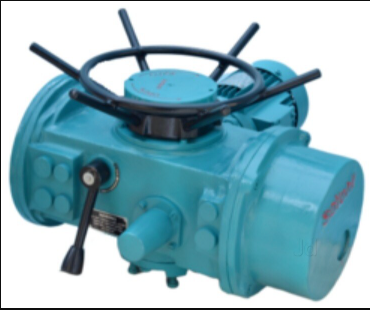
Electric actuators are essential components in modern automation systems because they convert electrical energy into controlled mechanical movement. They are widely used for operating industrial valves, dampers, machinery, positioning systems, and other equipment that requires precise and repeatable motion. As industries continue to automate production and process-control operations, demand for dependable electric actuation solutions has grown across sectors such as water treatment, power generation, chemical processing, oil and gas, pharmaceuticals, food processing, HVAC, and general manufacturing. An experienced Electric Actuator Manufacturer typically develops different actuator configurations to meet requirements related to torque, speed, operating cycles, control signals, environmental conditions, and installation arrangements. Understanding actuator technology and selection criteria can help industrial users identify suitable equipment for their specific applications.
What Is an Electric Actuator?
An electric actuator is a motor-driven mechanical device designed to produce rotary or linear movement. The motor receives electrical power and transfers its rotational energy through a gearbox, screw mechanism, or another transmission arrangement. The resulting movement can then operate a valve, damper, machine component, or positioning mechanism.
Electric actuators can be designed for simple open-and-close applications or more sophisticated modulating duties. In an on-off application, the actuator moves equipment between predetermined positions. In a modulating application, it can position the driven component at different points within its operating range. Depending on the design, actuators may include limit switches, position indicators, manual overrides, feedback devices, and electronic control systems. These features make electric actuation suitable for both standalone equipment and integrated industrial automation systems.
How Electric Actuators Work
The basic operating process begins when an electrical command is sent to the actuator. The motor converts electrical energy into rotational motion. A gearbox or transmission system then adjusts the speed and torque according to the requirements of the connected equipment. The output shaft transfers this mechanical energy to the valve stem, damper shaft, or other driven component.
Control components determine when the actuator starts, stops, or changes direction. Limit switches can identify end positions, while position feedback systems can provide information about the actuator’s current position. More advanced designs may support digital control signals and communication with programmable logic controllers or supervisory control systems. A properly designed actuator therefore combines motor power, mechanical transmission, control electronics, and feedback mechanisms into one coordinated system.
Types of Electric Actuators
An Electric Actuator Manufacturer may offer several product categories based on the type of movement and application. Quarter-turn electric actuators are designed to provide limited rotary movement, commonly around 90 degrees. They are frequently used with butterfly, ball, and plug valves.
Multi-turn electric actuators provide several rotations and are suitable for valves that require multiple turns to travel between open and closed positions. Linear electric actuators create straight-line movement and are used in industrial machinery, automation equipment, positioning applications, and other systems requiring linear force.
Electric actuators can also be classified according to their operating duty. Some are designed primarily for open-close applications, while others are engineered for modulating or continuous positioning. Selecting the appropriate category depends on the mechanical movement and control requirements of the application.
Electric Actuators for Valve Automation
Valve automation is one of the most important applications of electric actuators. Industrial facilities use numerous valves to start, stop, isolate, redirect, or regulate the flow of liquids and gases. Manual valve operation can become difficult when valves are installed in remote or inaccessible locations, or when frequent operation is required.
Electric actuators allow valves to be operated remotely and integrated into automated control systems. A suitable actuator must provide enough torque or thrust to move the valve under actual operating conditions. Factors such as valve size, pressure, temperature, media characteristics, friction, and seating requirements can influence the required actuator output.
Applications in Different Industries
Electric actuators are used in a wide variety of industrial environments. Water and wastewater treatment facilities use them for controlling valves and flow-management equipment. Power plants can use electric actuators for valve and damper automation throughout different sections of their systems.
In chemical and process industries, automated valves can help control the movement of process fluids and gases. Manufacturing plants may use electric actuators in production machinery, packaging systems, material-handling equipment, and automated assembly lines. HVAC installations can use them for controlling valves and air dampers, while food and pharmaceutical facilities may require electrically controlled equipment for process automation.
The application environment has a direct effect on actuator selection. Temperature, moisture, dust, corrosive substances, operating frequency, and available electrical power should all be considered before choosing a particular model.
Benefits of Electric Actuation
One of the main advantages of electric actuation is precise and repeatable control. Because the actuator operates using electrical commands, it can be incorporated into automated systems that require consistent movement. This can reduce the need for manual intervention and support centralized equipment management.
Another benefit is the absence of a requirement for compressed air or hydraulic fluid as the primary actuation source. For facilities without an existing pneumatic or hydraulic infrastructure, electric actuators can provide a practical alternative. Depending on the design, they can also offer position feedback, local controls, remote operation, and modulating capabilities.
Electric systems can also support modern digital automation strategies. When suitable communication and feedback features are available, actuator status can be monitored through centralized control systems. This can provide operators with useful information about equipment position and operating conditions.
Importance of Torque and Force
Correct sizing is one of the most important parts of selecting an electric actuator. For rotary applications, torque determines whether the actuator can move and hold the connected valve or mechanism. Linear applications require appropriate thrust or force.
The required output should be calculated according to actual operating conditions rather than relying only on general assumptions. Valve friction, differential pressure, temperature, seating characteristics, and mechanical resistance can influence the required torque. An actuator that is too small may fail to operate the equipment properly, while unnecessary oversizing can increase costs and may not provide the expected operating benefits.
A professional Electric Actuator Manufacturer can help customers evaluate these requirements by reviewing valve specifications, operating conditions, duty cycles, and control requirements before recommending an actuator.
Control and Feedback Features
Modern electric actuators can include various control and monitoring features. Basic models may have local switches and mechanical position indicators, while advanced versions can incorporate electronic position feedback and digital communication.
Feedback is particularly useful in automated systems because it allows the control system to determine whether the actuator has reached the desired position. Modulating applications can use position signals to adjust the actuator continuously according to process requirements.
Depending on the application, manufacturers may offer different control interfaces and communication options. These features can help integrate actuators with PLCs, distributed control systems, building management systems, and other industrial automation platforms.
Selecting an Electric Actuator Manufacturer
When choosing an Electric Actuator Manufacturer, buyers should evaluate more than the initial product price. Technical expertise, product range, manufacturing capabilities, testing procedures, customization options, service support, and availability of replacement components can all affect the overall value of an actuator system.
The manufacturer’s experience with the intended application is also important. A company specializing in industrial valve automation may have different product strengths from a manufacturer focused on linear motion, machinery, HVAC, or specialized process applications.
Buyers should also review technical documentation carefully. Specifications related to torque, speed, duty cycle, enclosure protection, power supply, temperature range, mounting configuration, and control functionality should match the actual requirements of the installation.
Customization and Engineering Support
Industrial applications can vary considerably, and standard products may not always satisfy every requirement. Manufacturers may therefore provide customized actuator configurations. Customization can involve output torque, mounting arrangements, motor characteristics, control systems, feedback devices, enclosure protection, and manual override options.
Engineering support can also be valuable during system design. A knowledgeable manufacturer can help determine the appropriate actuator type, verify compatibility with the driven equipment, and identify accessories needed for installation. This approach can reduce the risk of selecting an actuator that does not match the mechanical or control requirements of the system.
Importance of Quality and Reliability
Electric actuators may be required to operate repeatedly in demanding industrial environments. For this reason, product quality and reliability are important considerations during procurement. The actuator should be suitable for its expected temperature, humidity, dust exposure, vibration, and operating frequency.
Manufacturers may use different motor designs, gears, seals, bearings, electronic components, and housing materials according to the intended application. Buyers should examine technical specifications and applicable product documentation rather than selecting equipment based solely on appearance or price.
Testing and quality-control procedures can also contribute to consistent product performance. Depending on the application, users may need to consider enclosure protection, electrical safety, mechanical performance, and relevant industry requirements.
Maintenance of Electric Actuators
Proper maintenance can help extend actuator service life and support dependable operation. Maintenance requirements vary according to actuator construction, operating conditions, frequency of use, and manufacturer recommendations.
Routine checks may include inspecting electrical connections, mounting hardware, position indicators, control components, seals, and mechanical parts. In environments with dust, moisture, chemicals, or vibration, more frequent inspection may be appropriate. Keeping suitable replacement components available can also reduce downtime during repairs.
Maintenance teams should follow the manufacturer’s recommended procedures and safety requirements when inspecting or servicing electrically powered equipment.
Electric Actuators and Smart Automation
The development of smart manufacturing is increasing the importance of connected actuation systems. Modern electric actuators can incorporate sensors, electronic controls, diagnostic functions, and communication interfaces. These technologies allow actuator information to become part of a larger automation network.
For large industrial plants, connected actuators can help operators monitor valve positions and equipment status from centralized systems. Data from actuator feedback can also support maintenance planning and process monitoring. As industrial facilities become increasingly digital, the ability to integrate physical equipment with electronic control systems is becoming an important consideration.
Future of Electric Actuator Technology
The future development of electric actuation is closely connected with industrial automation, digitalization, and intelligent control. Manufacturers are focusing on improving efficiency, compactness, control precision, reliability, and communication capabilities. These developments can help actuators operate more effectively within automated production and process-control environments.
The growing adoption of remote monitoring and smart factory technologies may further increase demand for actuators that can provide useful operating data. Integration with advanced control platforms can allow industrial facilities to manage larger numbers of automated valves and mechanisms while maintaining centralized visibility.
Conclusion
An Electric Actuator Manufacturer plays an important role in providing motion-control solutions for modern industrial automation. Electric actuators can deliver controlled rotary or linear movement for valves, dampers, machinery, and positioning systems across industries such as water treatment, power, manufacturing, chemicals, HVAC, food processing, and pharmaceuticals.
Choosing the right actuator requires careful consideration of torque or force, operating speed, duty cycle, environmental conditions, control requirements, mounting compatibility, feedback options, and maintenance needs. Buyers should also evaluate the manufacturer’s technical expertise, customization capabilities, product quality, and after-sales support.
As industries continue adopting automated and connected systems, electric actuators are expected to remain an important part of industrial motion control. A suitable actuator, correctly sized and integrated into the overall automation system, can support reliable operation, repeatable performance, and efficient process management.

