
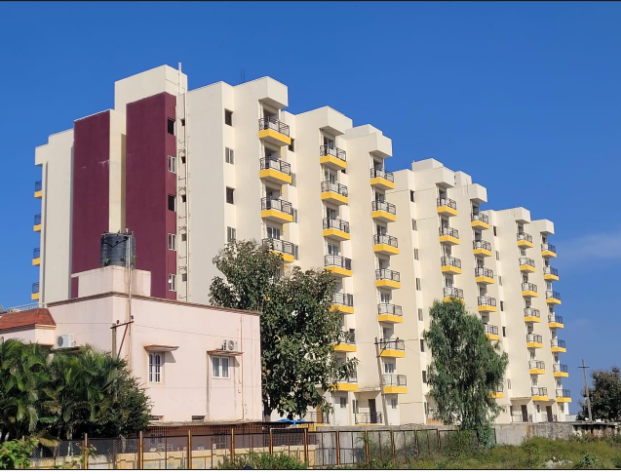
The real estate market in India is shifting toward long-term value and future-ready investments as buyers focus on stable growth opportunities. Among these, demand for real estate plots in Karnataka is steadily rising as investors seek secure options in rapidly developing regions. With ongoing urban expansion and improving infrastructure, land ownership is becoming one of the most reliable wealth-building strategies, especially in planned development zones where early investment can lead to strong appreciation.
As cities expand outward, nearby regions are transforming into structured residential and commercial hubs. This shift is encouraging both end-users and investors to consider land as a flexible asset, while rising population movement toward urban peripheries continues to strengthen demand for well-planned layouts.
Expanding Development Zones and Market Transformation
Urban development is no longer limited to city centers, as surrounding regions are rapidly becoming attractive investment destinations. These expanding zones are being shaped by infrastructure growth, improved connectivity, and planned residential layouts that support long-term value creation.
- Infrastructure expansion plays a key role in transforming peripheral regions into high-value investment zones. New roads, highways, and transport links significantly improve accessibility and enhance the overall desirability of land parcels in these areas while attracting both residential and commercial demand steadily.
- Government-backed urban planning initiatives are helping structure growth in a more organized manner. These initiatives ensure better zoning, improved utilities, and long-term sustainability for residential and commercial development, reducing risks associated with unplanned expansion and ensuring balanced regional development.
- Increased private sector participation is accelerating the pace of development. Developers are introducing well-planned layouts that cater to the growing demand for structured living spaces and investment-friendly environments that align with modern lifestyle expectations and future urban requirements.
Strategic Land Investment and Market Opportunities
Land investment is becoming increasingly strategic as buyers evaluate long-term growth potential and location advantages. Careful selection of property in emerging zones can lead to strong appreciation and financial stability over time.
- Location-driven value appreciation remains one of the strongest factors influencing land investment decisions. Areas close to expanding infrastructure corridors tend to experience faster growth in property value, making early investment decisions highly rewarding in the long run.
- Demand for structured land parcels continues to rise due to increasing urban migration and lifestyle shifts. Investors are actively seeking regions that offer both affordability and future development potential, ensuring balanced risk and strong long-term returns.
- A wide range of opportunities is emerging in Karnataka’s real estate market, with well-connected locations becoming attractive for both residential and investment purposes. These plots are positioned in growth corridors that benefit from continuous infrastructure development, rising demand, and structured urban expansion.
- Investment interest is also expanding across real estate projects in Karnataka, where organized developments are creating better access to utilities, roads, and planned communities. These projects help bridge the gap between raw land and structured residential ecosystems, improving overall investment confidence.
Infrastructure Growth and Long-Term Value Creation
Infrastructure development remains one of the most influential factors in determining land value appreciation. As connectivity improves, previously undeveloped areas gain significant investment appeal and long-term growth potential.
- Improved transport networks, such as highways, metro extensions, and ring roads, enhance accessibility and reduce travel time. This directly contributes to increased land demand in surrounding regions, making them attractive for future residential and commercial expansion.
- The development of social infrastructure, including schools, hospitals, and retail centers, adds to the livability of emerging zones. These facilities improve convenience for residents and significantly increase the attractiveness of nearby land parcels for future development.
- Continuous urban expansion ensures that peripheral areas gradually integrate into the main city ecosystem. This integration leads to steady appreciation, improved connectivity, and long-term investment security for landowners and investors alike.
- Industrial and commercial growth in surrounding regions further supports real estate expansion. As employment hubs develop, demand for nearby housing and land increases consistently over time.
Lifestyle Transition and Future Residential Growth
Changing lifestyle preferences are influencing how people view land ownership and residential development. Buyers are increasingly focusing on flexibility, customization, and long-term planning when selecting property.
- Many investors prefer land ownership as it allows customization and phased construction based on financial planning. This flexibility makes land a preferred choice over ready-built properties for individuals seeking personalized living spaces.
- Demand for plotted developments is rising as families seek peaceful living environments away from congested urban centers. These locations offer better air quality, open space, and future growth potential for residential development.
- Planned residential zones are evolving into self-sustained communities that include essential amenities and infrastructure. These developments provide a balanced lifestyle while ensuring long-term livability and convenience.
- Growing awareness of future value appreciation is encouraging more buyers to consider land as a primary investment asset. This shift is strengthening the overall real estate market structure.
Investment Security and Market Stability
Land continues to be considered one of the most stable investment assets due to its tangible nature and limited supply. Its value tends to increase steadily with development and urban expansion.
- Scarcity of well-located land ensures consistent demand in high-growth regions. This scarcity contributes to long-term price stability and appreciation potential for investors who enter early.
- Economic growth and urban expansion further strengthen the real estate market. As cities expand, the surrounding land becomes increasingly valuable for future development and structured planning.
- Investor confidence is reinforced by structured planning and regulated development processes that reduce risks associated with unorganized land acquisition and improve market transparency.
- Long-term holding of land assets often results in higher returns compared to many other investment classes due to consistent demand and limited supply conditions.
Conclusion
Making informed property decisions is essential in today’s evolving real estate market, where location, timing, and development potential play a critical role in long-term returns. Many investors are now actively exploring buying residential plots as a flexible and future-ready investment strategy that supports both lifestyle aspirations and financial growth goals.
With a strong focus on structured development and customer-centric planning, trusted names like Maxworth Realty continue to guide buyers toward well-positioned opportunities across emerging growth corridors. Their commitment to quality development and strategic planning helps investors make confident and informed decisions in an expanding and competitive real estate landscape.

